The plastics industry continues to evolve rapidly, driven by technology, regulation and global supply chains. Looking ahead to 2026, several risks are becoming increasingly important for manufacturers to manage proactively.
1. Supply chain disruption
Global sourcing of raw materials and reliance on overseas suppliers leaves many plastics manufacturers vulnerable to delays, shortages and price volatility. Disruptions can impact production schedules and customer commitments.
Insurance solutions such as business interruption and contingent business interruption can help mitigate financial impacts when supply chain issues occur.
2. Cyber exposure
Manufacturing businesses are increasingly digitised, with automated machinery, enterprise resource planning (ERP) systems and connected supply chains. This makes them attractive targets for cyber criminals.
A cyber incident can halt production, compromise sensitive data and damage customer relationships. Cyber insurance is no longer just for large corporations and is becoming essential for mid-sized manufacturers.
3. Workplace safety
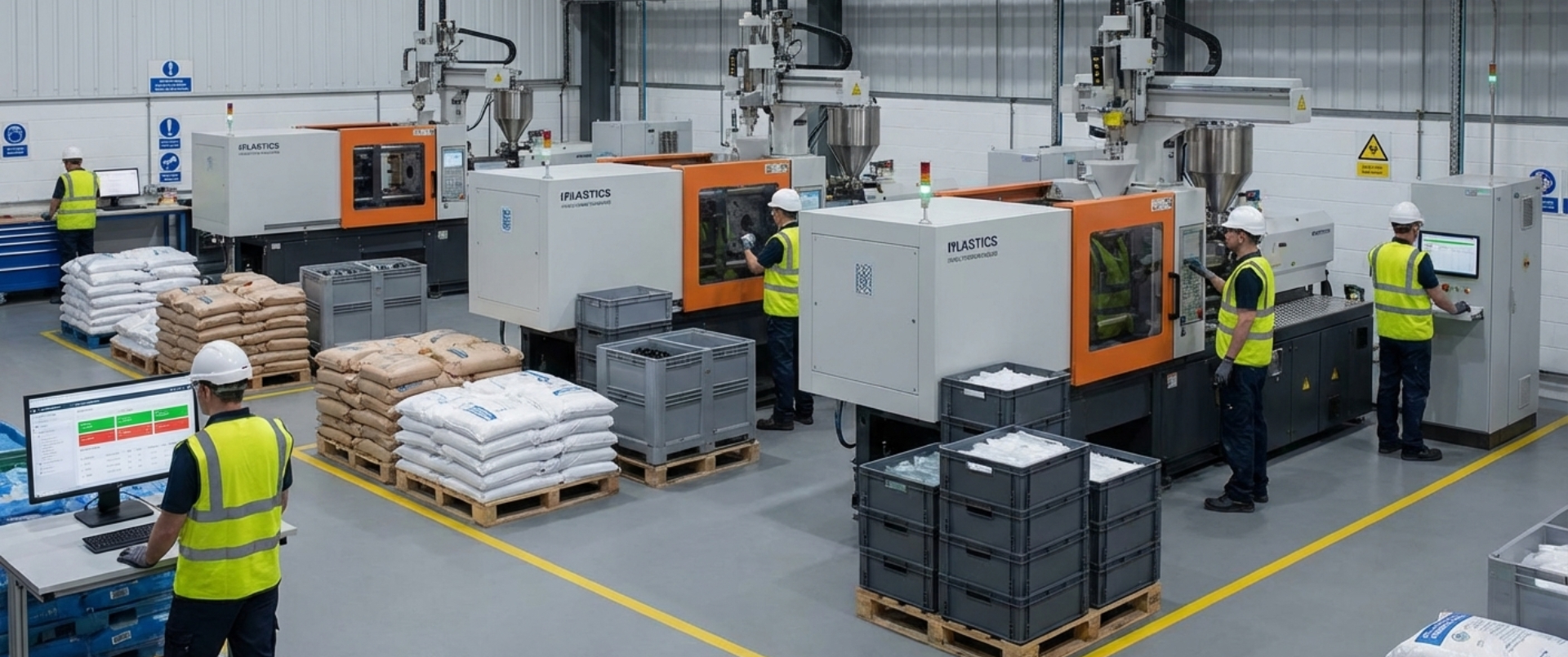
Plastics manufacturing environments involve heavy machinery, high temperatures and hazardous materials. Workplace injuries can lead to workers compensation claims, regulatory scrutiny and operational disruption.
While safety management is critical, appropriate insurance ensures financial protection if incidents occur despite best practices.
4. Environmental regulation
Environmental standards continue to tighten across the plastics industry, increasing the compliance burden on manufacturers that handle chemicals, resins and industrial waste. Incidents that were once considered minor can now attract regulatory attention and require costly clean-up or reporting. Without appropriate risk management and insurance in place, these events can create unexpected financial and operational (and even reputational) pressure.
Specialist insurance can help address environmental liability exposures that fall outside traditional policies.
5. Fire risk
Fire remains one of the most significant loss drivers in plastics manufacturing. As facilities grow larger and more automated, the scale of potential loss increases.
Insurers are scrutinising fire protection measures more closely, making it essential for manufacturers to have well-structured policies supported by industry-specific knowledge.
Planning ahead
Understanding these emerging risks allows plastics manufacturers to take a proactive approach to risk management and insurance. Working with a broker who understands industry trends helps ensure cover keeps pace with operational and regulatory change.
Get a plastics insurance quote
For a review of your insurance solution or a tailored quote for your business, contact us.